South Africa's online anti-Muslim rhetoric contrasts with local tolerance
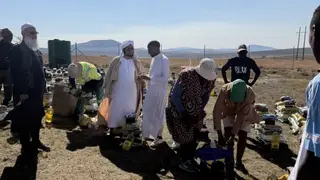
Despite rising anti-Muslim posts on social media, rural communities in KwaZulu-Natal show acceptance of Muslim practices. The funeral of a 105-year-old convert to Islam was conducted without controversy. The article highlights the gap between online narratives and everyday coexistence.
The funeral of Zwelibi Jack Ngubane, a 105-year-old convert, proceeded peacefully in Nquthu, where Muslim burials remain unfamiliar. His grandson Khethukuthula Dlame, one of few local Muslims, faces only teasing about his attire. Samukelisiwe Ngubane notes that interactions with Muslim shopkeepers have never caused friction. Census data shows Muslims under 1.6 percent of South Africa’s population, though leaders estimate higher. Islam’s presence dates to Dutch colonial rule, including exiled scholars like Shaykh Yusuf.
Online posts, however, accuse Muslim charities of exploiting poverty for conversions and question Muslims’ belonging. These posts intersect with broader anti-immigrant sentiment, yet rural KwaZulu-Natal demonstrates everyday coexistence. The gap between digital hostility and lived tolerance suggests social media may amplify a marginal phenomenon.
This story could shape public perception of South Africa’s social cohesion. If online rhetoric continues to grow, it may strain relations in communities where Muslims are a small minority, potentially influencing local debates on immigration and charity work. Conversely, the Nquthu example may serve as a counterpoint, reminding readers that digital narratives often diverge from everyday reality. The impact likely depends on whether such stories reach beyond echo chambers and encourage measured reflection rather than reaction.