Pennsylvania Continues to Subsidize Coal Waste While Solar Stalls
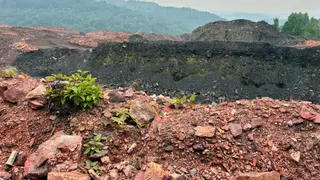
Pennsylvania still generates more electricity from burning coal waste than from solar power, more than two decades after passing a clean energy law. The state pays millions to companies like Robindale Energy that burn waste coal, which advocates say helps clean up old mine sites. Critics argue the practice perpetuates pollution and hinders renewable energy development.
Pennsylvania's Alternative Energy Portfolio Standards, enacted in 2004, classify waste coal as an eligible alternative energy source, directing utility payments to companies like Robindale Energy. Additional state tax breaks introduced in 2016 contribute roughly $50 million annually to the industry. The state's Independent Fiscal Office reports waste coal supplies about 3 percent of electricity, while all renewables combined provide approximately 4 percent.
Research from the University of Nevada, published in September 2025, found waste coal combustion generates between 7 and 118 percent more greenhouse gas emissions per kilowatt-hour than conventional coal plants. The waste piles themselves, such as the one at Windber Mine 37, leach iron, aluminum, and toxic metals into waterways like Paint Creek, though industry representatives argue their operations help remediate these legacy sites.
This subsidy structure could continue shaping Pennsylvania's energy landscape