Project Aims to Reduce Plastic Burning in Guatemalan Highlands
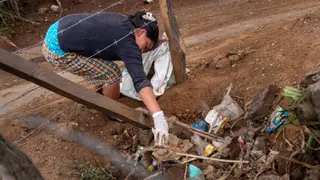
In rural Guatemala, communities like El Duraznal regularly burn plastic waste, exposing families to toxic pollutants. A project called Ecolectivos, led by researchers from UCSF and Emory, is working with Xinca communities to develop long-term waste reduction plans. The initiative includes workshops to help residents find alternatives to burning plastic.
The Ecolectivos project, supported by the Pulitzer Center, pairs U.S. researchers with Guatemalan counterparts to study how burning plastic affects women and children in the Santa María Xalapán mountains. Residents burn plastic both to dispose of it and to fuel cooking fires, unaware of the toxic exposure. Through months of workshops, community members identified regular cleanups as a practical first step, electing local women like Cruz to oversee ongoing efforts.
Plastic manufacturers have produced hundreds of millions of tons annually for decades, yet only about 9 percent has ever been recycled. The petroleum-derived material contains toxic chemicals that cannot be sustainably managed, leaving rural communities without waste infrastructure to bear the burden of disposal.
This initiative could reshape how rural communities lacking formal waste systems address plastic pollution, offering a model that pairs local leadership with scientific guidance. If successful, it may reduce toxic exposure for families—particularly women and children