Red cheongsam at wedding honors father and heritage
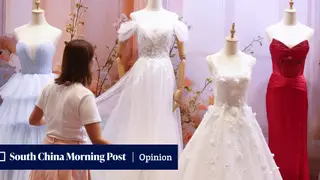
The author originally planned a simple wedding at her father's assisted-living facility, with two white dresses already purchased. She later decided to incorporate a red cheongsam to celebrate her Chinese heritage and pay tribute to her father, learning about the garment's evolution and modern bridal trends. The dress became a meaningful symbol of family and cultural identity.
The cheongsam's transformation from a loose Qing-dynasty robe to its modern fitted silhouette spans more than a century of cultural evolution. The author's aunt's 1960s Hong Kong wedding photographs showed qipaos tailored so precisely they appeared "as personalised as a fingerprint," illustrating how the garment once dominated celebratory occasions across Chinese communities.
Contemporary bridal preferences have shifted considerably, with many modern Chinese couples now selecting white gowns or maintaining both white and red options for separate ceremonies and photo sessions. The author's decision to add a red cheongsam for her tea ceremony, alongside her two white dresses, bridges Western wedding conventions with traditional Chinese symbolism of luck and fortune, while also serving as a personal tribute to her father.
This personal narrative could resonate with multicultural families navigating identity across generations. The choice to blend