Wildfire threat grows as suburbs expand into fire-prone western landscapes
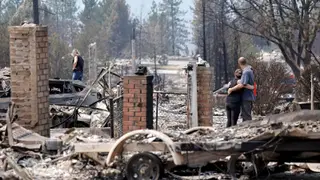
The Hawk Fire near Reno, Nevada, has burned over 23 miles and forced evacuations of about 90,000 people, destroying dozens of homes. The blaze is part of a trend of worsening wildfires in the West, exacerbated by climate change and low winter snowfall. Suburban development into the wildland-urban interface has increased the risk to homes.
The Hawk Fire’s rapid spread through the Somersett area underscores how development has crept into landscapes that naturally burn. Researchers have warned about this risk since the 1980s, noting that homes in the wildland-urban interface—where suburbs meet forests or grasslands—are increasingly exposed. Reno itself has become the fastest-warming U.S. city, and record-low snowpack this year left vegetation dangerously dry. Similar blazes have struck near Spokane and Los Angeles, with California seeing a quadrupled fire risk from combined housing growth and climate shifts.
More than a third of continental U.S. homes now sit in these transition zones, driven by cheaper building costs and demand for scenic, spacious living. While development has slowed since its 1990s–2010s peak, the consequences remain severe: this year alone, over 7.9 million acres have burned nationwide, and Canada has faced thousands more fires. The pattern points to a fundamental mismatch between where people choose to live and the fire regimes those areas naturally experience.
This story could reshape how communities and policymakers view suburban expansion in fire-prone regions. Residents in such areas may face rising insurance costs, evacuation disruptions, and health risks from smoke, while local governments might need to reconsider zoning and building codes. The trend could also deepen housing affordability pressures, as safer land becomes scarcer or more expensive. Ultimately, the fires may push broader public conversation about climate adaptation and land-use planning, though outcomes will depend on political will and economic trade-offs.