As Sex Doll Sales Surge, Questions Arise Over Treatment of Lifelike Figures
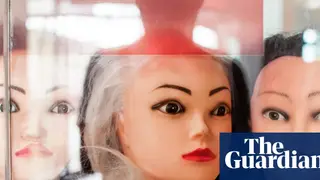
A sex doll left in a suitcase in rural Australia was initially mistaken for a human corpse, prompting a police investigation before forensic analysis revealed its true nature. The global sex doll market is valued at $6.6 billion in 2025 and is projected to reach $13.4 billion by 2033. Experts argue that the industry's growth reflects broader setbacks in gender equality and raises concerns about the disposability of female-coded objects.
The abandoned doll represents a growing environmental concern tied to the industry's rapid expansion. Silicone and TPE-based sex dolls are non-biodegradable, and their disposal creates lasting waste problems. As the market grows from $6.6 billion to a projected $13.4 billion by 2033, the volume of discarded lifelike figures will likely increase, particularly in rural areas where illegal dumping occurs.
Forensic experts initially misidentified the doll as human remains, highlighting how realistic these products have become. The incident in New South Wales prompted a police investigation that was only called off after laboratory analysis. Researchers at the University of Duisburg-Essen note that the anthropomorphisation of these objects, combined with their disposability, cannot be separated from broader cultural attitudes toward women, though longitudinal data on behavioral impacts remains lacking.
This story may signal shifting social dynamics as lifelike sex dolls become more common and affordable. Communities could face increased confusion and distress when encountering discarded dolls, as seen in the Australian incident. The industry's growth may also reflect and reinforce changing interpersonal expectations, potentially affecting how some men view relationships and consent. Researchers suggest this could have implications for gender equality efforts, though definitive evidence of harm or benefit remains inconclusive. Society may need to consider how to address both the environmental consequences of doll disposal and the cultural questions these products raise.