Louisiana LNG terminal expansion fast-tracked, threatening wetlands
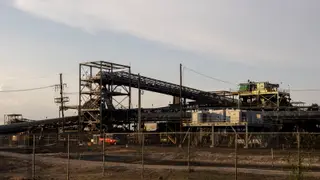
The Plaquemines LNG terminal near New Orleans is seeking an $18 billion expansion that would make it the largest liquefied natural gas export facility in North America, using a fast-tracked permitting process under a national energy emergency. The U.S. Army Corps of Engineers cut the public comment period from 30 days to 10, and the project could damage up to 470 acres of wetlands and river bottoms in a parish already losing land rapidly. Environmental groups warn that the expedited review undermines scrutiny of dredging and marsh filling in a region facing severe coastal erosion.
The terminal, which began operating less than two years ago, would grow from roughly 590 acres to about 1,220 along the Mississippi River, according to owner Venture Global. The Army Corps has identified over 600 projects nationwide eligible for expedited review under the emergency declaration, which President Trump said was needed to ensure reliable energy supplies for the military and economy.
Plaquemines Parish has already lost more than 250 square miles to subsidence, sea level rise, and erosion over six decades, with state projections indicating another 300 square miles could vanish within 50 years. Louisiana has lost nearly 2,000 square miles since the early 1900s. More than 30 LNG export terminals are currently under construction or proposed across the United States, with four operating in Louisiana.
This expedited permitting could set a precedent for how environmental reviews are handled during declared emergencies, potentially affecting communities along the Gulf Coast who face compounding risks from industrial development and land loss. Local residents and fishing industries may bear the consequences of wetland damage, while the project's economic benefits could include jobs and tax revenue. The shortened public comment window may limit community input on decisions with decades-long environmental implications.