Five islands in Tuscany's protected archipelago offer escapes from mainland crowds
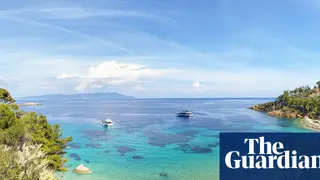
The Tuscan archipelago consists of seven islands, all within a protected national park. Five are open to visitors, ranging from the popular Elba to the car-free Giannutri. Montecristo and Gorgona require special permits for limited tours.
The Tuscan archipelago's protected status shapes both its ecology and its tourism model. Montecristo and Gorgona remain largely off-limits, accessible only through strictly regulated guided excursions, preserving their isolation while the other five islands absorb visitor demand. This tiered access system allows conservation priorities to coexist with tourism revenue across the park.
Elba's scale sets it apart—as Italy's third-largest island, it supports a permanent population and year-round infrastructure, including ferry connections from Piombino. Giglio, by contrast, relies on seasonal restrictions, limiting private vehicles in August to maintain its tranquil character. Both islands layer historical depth—Napoleonic exile sites, Medici fortifications, medieval hilltop villages—over natural attractions like the 36-mile Grande Traversata Elbana hiking route and Giglio's terraced vineyards.
This article may influence travel decisions for readers seeking alternatives to mainland Tuscany's crowded cities, potentially redistributing tourist pressure toward the archipelago's more accessible islands. Local communities on Elba and Giglio could see economic benefits from extended seasons and dispersed visitation, while the national park's permit system for Montecristo and Gorgona may continue to protect sensitive habitats. However, increased attention could strain island infrastructure and natural resources, making sustainable visitor management an ongoing consideration for park authorities and residents alike.