Analyst warns US economic squeeze on Iran may backfire and deepen conflict
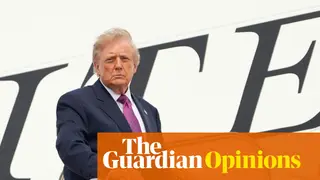
The US Treasury has unveiled Operation Economic Outcast, a sanctions campaign aimed at severing Iran from the global economy. While Iran's economy is strained, officials indicate they will not surrender, viewing each escalation as a reason to retain leverage. The strategy risks hardening Tehran's stance rather than forcing capitulation.
Operation Economic Outcast targets Iran's remaining financial lifelines, pressuring foreign governments, banks, and firms to sever commercial ties with Tehran. Iran's economy already suffers from prolonged sanctions, wartime disruption, and a naval blockade limiting oil exports and foreign currency access. Iranian leadership, including national security council head Mohsen Rezaei, frames compliance with the campaign as an act of war, warning of retaliation against Gulf oil infrastructure and alternative export routes. China, Iran's primary oil buyer, has actively resisted the pressure, instructing companies to ignore US sanctions and threatening countermeasures.
Iran's president, Masoud Pezeshkian, has expressed openness to peace negotiations while maintaining leverage. Iranian officials argue that each escalation validates their position that surrendering leverage would invite further pressure. The strategy pairs bargaining with endurance, seeking agreement without capitulation.
This standoff could deepen regional instability if Iran follows through on threats against Gulf oil infrastructure, potentially disrupting global energy markets and raising prices worldwide. Ordinary Iranians would bear the heaviest burden through worsening inflation and living standards, while US allies and trading partners face difficult choices between compliance and economic self-interest. The outcome may shape future approaches to economic statecraft, demonstrating whether sanctions coercion or negotiated leverage ultimately prevails.