Why some delis embrace bizarre AI-generated menu images
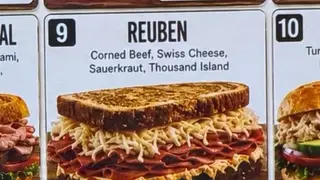
A growing number of delis are using AI-generated menu images that feature distorted food, like unsettling Reubens and oddly shaped shrimp. The author contacted one such establishment to learn the reasoning behind the choice. The trend appears to be a low-cost way to create eye-catching visuals, even if the results are off-putting.
The trend of AI-generated menu imagery is quietly spreading through the deli sector, where owners are trading traditional food photography for algorithm-produced visuals. These images often render familiar sandwiches and seafood in unsettling, distorted forms—Reubens that look wrong, shrimp with strange shapes—yet they are appearing with increasing frequency. The appeal appears rooted in cost and convenience, offering a budget-friendly alternative to professional photography.
One deli owner contacted by the author explained the practical reasoning behind the choice. For small operations with tight margins, the low-cost nature of AI tools outweighs the aesthetic drawbacks. The result is a trade-off: eye-catching digital images that draw attention, even if that attention comes from their oddity rather than appetizing appeal. The practice reflects a broader shift toward accessible technology in small business marketing.
This trend could reshape how small food businesses present themselves, potentially normalizing imperfect visuals as an acceptable trade-off for affordability. Customers may become more skeptical of menu images, learning to expect discrepancies between digital representations and actual dishes. For delis, the cost savings could help competitiveness, but may also risk eroding trust if images become too detached from reality. The broader impact likely hinges on whether consumers accept this new visual language or push back against it.