SpaceX takes turbine blade production internal to accelerate AI data center power supply
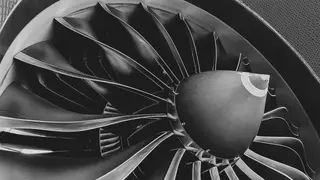
SpaceX is moving turbine blade and vane casting in-house to shorten the production timeline for gas-powered generators used by AI data centers. The typical manufacturing process for these components takes 60 to 90 weeks, but the new strategy reduces generator delays by 18 months. This move responds to surging demand for portable generators that bypass grid connection wait times, a need highlighted by Musk's earlier deployment at the Colossus data center.
Turbine blades and vanes rank among the most demanding components in gas-powered generators, engineered to withstand intense heat and mechanical stress inside the engine core. A single production batch can require up to 90 weeks to complete, making them a critical bottleneck for manufacturers. By bringing casting in-house, SpaceX aims to bypass the long queues that currently extend toward 2030.
The urgency stems from AI data centers' enormous electricity demands. Portable generators—trailer-sized units with additional support trailers—allow facilities to come online without waiting for grid connections. Musk used this approach at the Colossus data center in Memphis, and OpenAI has adopted similar turbines for its Stargate project. Demand has outpaced engine manufacturers' capacity, compounded by pre-existing aviation supply chain issues.
This move could accelerate AI infrastructure expansion, potentially bringing data centers online faster across the U.S. Communities near new facilities may see quicker job creation and economic activity, but also increased noise and emissions from gas generators. The shift could also pressure traditional turbine manufacturers to innovate or risk losing market share to in-house production, reshaping the competitive landscape of power generation.