XPENG Advances Physical AI with New VLA 2.0 Update and Strong Q2 Results
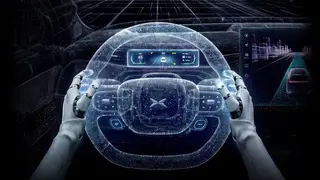
XPENG reported Q2 revenue of $2.91 billion, up 8% year-over-year, with gross margin at 20.7%, though vehicle margin dipped. The company launched VLA 2.0 version 6.3.0, an OTA update for its intelligent driving system. R&D spending rose 35%, contributing to a net loss of $200 million, but the company is positioning itself as a technology leader.
XPENG’s second-quarter results show a business in transition, with overall gross margin climbing to 20.7% while vehicle-specific margins slipped to 12.1%. The gap stems largely from technical R&D services provided to Volkswagen, suggesting the company’s revenue mix is shifting toward software and engineering partnerships rather than car sales alone. A net loss of $200 million reflects a 35% jump in research spending.
The VLA 2.0 version 6.3.0 update introduces several technical advances for its intelligent driving system. These include a 30-second historical memory window, continuous streaming inference that cuts latency by roughly 300%, and predictive capabilities reaching six seconds ahead. XPENG claims the combined improvements yield a 20-fold gain in safety performance, with the update rolling out via over-the-air delivery.
XPENG’s pivot toward physical AI and software-defined vehicles could reshape competitive dynamics in the EV market, particularly as traditional automakers seek external technology partners. Consumers may benefit from safer, more responsive driving systems, while the company’s reliance on R&D spending suggests near-term profitability pressures could persist. The Volkswagen partnership signals that legacy manufacturers may increasingly depend on Chinese tech firms, potentially accelerating industry-wide adoption of AI-driven features.