Rescuers push to reach trapped workers as Nepal flood death toll climbs
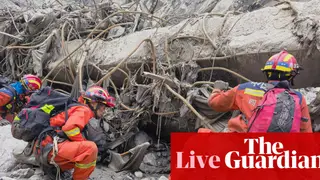
The death toll has risen to 797, with 781 in Nepal and 16 in Tibet, and over 3,000 missing. Mass burials are underway in Chitwan district for unidentified victims. An air pipe has been inserted into a tunnel at the Trishuli 3A hydroelectric site where over 100 workers may be trapped, with rescue efforts ongoing.
Rescue teams have managed to feed an air pipe into a tunnel at the Trishuli 3A hydroelectric site, where more than 100 workers are feared trapped after flash floods struck the Nepal-Tibet border region. The breakthrough late Saturday offers a lifeline, though extraction efforts remain ongoing. Meanwhile, authorities in Nepal’s Chitwan district have begun mass burials in Devghat forest for hundreds of unidentified bodies, as decomposition has made identification impossible.
The disaster has left a wide international footprint: 261 foreign nationals from 23 countries are missing on the Tibetan side, including 104 Nepalis, 49 Indians, and 18 Americans. The U.S. State Department reports 85 Americans unaccounted for, with nine evacuated. Australia has pledged an additional $3 million in humanitarian aid, while fresh surge and flash flood warnings have been issued for the Trishuli Bazaar area due to upstream glacial collapses.
This catastrophe could strain Nepal’s already limited disaster-response capacity, as mass burials and ongoing tunnel rescues compete for resources. The high number of missing foreigners may trigger prolonged consular and diplomatic efforts, affecting tourism and international relations. Economic losses from damaged infrastructure and hydroelectric projects could hinder regional development, while repeated flood warnings suggest continued risk for vulnerable communities, potentially displacing thousands and deepening humanitarian needs in the coming weeks.