Academic who accused Arday of plagiarism faces teaching suspension but retains research role
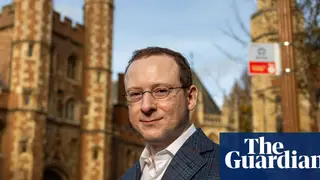
Nathan Cofnas, who accused the late Jason Arday of plagiarism, has been barred from teaching at Ghent University for three months but may continue his research remotely. The US ambassador claimed credit for the lifting of his suspension, while Ghent says an inquiry continues. Cofnas expressed gratitude for being allowed to stay.
Cofnas, an American postdoctoral researcher at Ghent University, was suspended earlier in August pending a preliminary investigation launched after Arday's death. The university's philosophy department had previously raised concerns about Cofnas's qualifications for his research post on "the future of liberalism," alleging a "far-right agenda" and limited expertise. His online writings have drawn criticism for promoting pseudoscientific ideas about racial differences, and he was reportedly recommended to tech investor Peter Thiel by a "race science" researcher. Cofnas has also expressed contradictory political views, criticizing Trump and MAGA while celebrating the president's executive orders against diversity, equity, and inclusion initiatives.
The disciplinary measure requires Cofnas to work remotely for three months with teaching duties removed, though his research continues under strict topic limitations. US ambassador Bill White, a Trump supporter and donor, publicly pressured the university to lift the suspension entirely, claiming on social media that he "saved Belgium from a complete global media meltdown." Ghent maintains that an inquiry continues to determine whether further disciplinary action is warranted, while confirming contact with the ambassador regarding his public statements.
This case could shape how universities handle posthumous academic misconduct allegations and external political pressure. Academic institutions may face increased scrutiny over whether disciplinary processes can withstand diplomatic intervention, potentially eroding confidence in their independence. The outcome could also influence how scholars approach public accusations against deceased colleagues, knowing that institutional responses may carry professional consequences. Researchers in controversial fields may feel either emboldened or chilled depending on how this precedent is interpreted, affecting the broader climate for academic debate and institutional accountability.