Proposed rule change could strip protections for sacred Indigenous sites
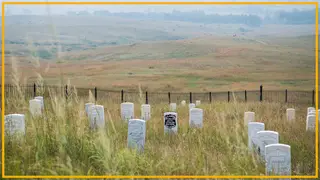
The Advisory Council on Historic Preservation voted to advance a rule that would eliminate public comment and tribal consultation requirements under Section 106 of the National Historic Preservation Act. This change could allow federal agencies to damage or destroy culturally significant archaeological and sacred sites. The author urges public engagement before the rule is finalized.
The Section 106 review process has operated continuously since 1974, requiring federal agencies to evaluate how their projects—or those they license or permit—might affect properties listed on or eligible for the National Register of Historic Places. Under the proposed changes, agencies would gain discretion to determine whether public participation serves any purpose, effectively removing mandatory notification and comment periods before projects that could damage or destroy historic properties.
Tribal consultation is a particular concern. Federal jurisprudence recognizes Tribal Nations as "domestic, dependent nations," requiring government-to-government consultation rather than treating them as ordinary interested parties. The rule change would permit agencies to approve projects damaging sacred sites without seeking Tribal expertise, a departure from established legal obligations. The author, Joe Watkins of the Choctaw Nation, has spent decades in Indigenous archaeology and received the Society for American Archaeology's Lifetime Achievement Award in 2025.
If finalized, these rules could reshape how cultural heritage is protected across the United States. Federal agencies approving infrastructure