Afghans face closed doors and deportation threats five years after US exit
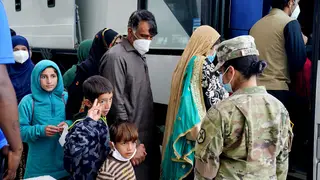
On the fifth anniversary of the U.S. withdrawal from Afghanistan, the Trump administration has curtailed pathways for Afghans to enter the U.S., including suspending refugee processing and moving to strip Temporary Protected Status. The administration is also reviewing Special Immigrant Visas for Afghans who aided U.S. efforts. Advocates say the U.S. has not lived up to its promises to those who served alongside American forces.
The fifth anniversary of the U.S. withdrawal from Afghanistan coincides with a sweeping rollback of protections for Afghan nationals. The Trump administration has suspended refugee processing, moved to end Temporary Protected Status for over 8,000 Afghans, and is reviewing Special Immigrant Visas issued to those who aided U.S. military and diplomatic efforts. Afghanistan also appears on expanded travel bans and a list of countries with suspended immigration visas, though a judge recently vacated that visa suspension.
Advocates, including veterans’ groups, note that more than 80,000 Afghans were evacuated in 2021, yet many now face deportation threats or revocation letters even with green cards or SIVs. With over 5 million Afghans displaced globally, the administration has closed nearly all legal entry routes, leaving those who served American forces in a precarious position.
This policy shift could affect U.S. credibility with local allies in future conflicts, as Afghans who risked their lives for American missions may face deportation or stranded status. Veterans and refugee advocates may see renewed activism, while affected families could experience instability and fear. The broader society may debate the balance between national security concerns and humanitarian commitments, potentially influencing public trust in U.S. promises to wartime partners.