After deadly Himalayan floods, Nepalis salvage what they can from ruined homes
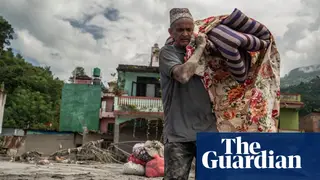
The death toll from the Himalayan flash floods has reached 797 in Nepal and Tibet. Morgues are overflowing, prompting mass burials in Bharatpur, while residents in Devighat are returning to salvage belongings as the river swells again. Many bodies remain unidentified, with authorities using photo slideshows to help relatives identify the dead.
The identification process has become a grim logistical exercise. Authorities are collecting DNA samples from each recovered body before assigning tags and location numbers, then wrapping remains in plastic for temporary burial. In Chitwan, roughly 100 miles downstream, over 250 bodies have surfaced along riverbanks, yet only nine have been positively identified due to the severe condition of the remains.
With more than 3,000 people still unaccounted for across Nepal and Tibet, officials fear the toll could climb substantially. Many devastated villages remain reachable only by army helicopter, and the government has requested over 1,000 freezer units to store bodies awaiting identification. In Devighat, police teams continue extracting victims from mud-filled homes, with one superintendent noting ten bodies had been recovered from a single site.
This disaster could reshape how Himalayan communities view their vulnerability to extreme weather events. The scale of loss—797 confirmed dead with thousands