Experts highlight four community-wide advantages of affordable housing initiatives
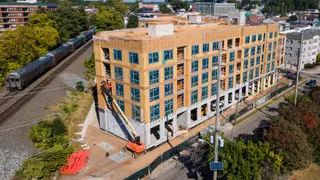
While federal legislation offers limited relief, local efforts to renovate vacant properties can improve economic conditions, public health, and community cohesion. The article notes that affordable housing frees up household spending and helps businesses retain workers. Such initiatives also contribute to environmental sustainability.
EXPANDED:
The federal 21st Century ROAD to Housing Act includes investor purchase caps, preapproved housing designs, and lighter manufactured homes, yet experts suggest these measures will barely move rental prices. Local governments hold more powerful tools through zoning codes, permitting processes, and redevelopment authority. Cities like Oakland, Chicago, Indianapolis, Louisville, and Charleston are converting vacant lots and abandoned buildings into housing using land banks and nonprofit partnerships.
Health outcomes are closely tied to housing quality. Poor conditions contribute to respiratory infections, asthma, lead poisoning, injuries, and mental health problems, straining municipal budgets through uncompensated emergency care and public employee healthcare. Recent construction added over 300,000 affordable apartments nationwide, with Seattle and New York each surpassing 14,