A parent's sanity hack: outsourcing dinner decisions twice weekly
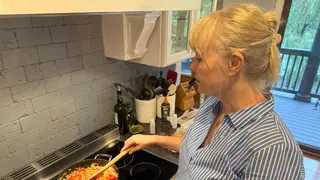
The author found nightly meal planning overwhelming and began using meal delivery services for two dinners per week. While the kits still require cooking, they removed the most stressful part—choosing what to eat. The writer argues that delegating this task is a form of effective parenting, not a failure.
The story centers on a parent who traded nightly meal-planning stress for a simpler routine: using meal delivery kits for just two dinners each week. These kits still require cooking, but the core burden—deciding what to prepare—is lifted. The author frames this choice as a practical parenting strategy rather than a shortcoming, emphasizing that reducing decision fatigue can free up mental energy for other family needs. This approach reflects a broader trend of parents outsourcing specific, repetitive tasks to preserve bandwidth for more meaningful interactions. The key distinction is that the kits don’t eliminate cooking, only the deliberation, which suggests the real value lies in streamlining a daily friction point.
This story could resonate with busy parents who feel guilt about delegating household duties. By normalizing partial outsourcing, it may encourage more families to consider similar tools without viewing them as failures. The impact could be modest but real: reduced daily stress for caregivers, potentially improving family dynamics. However, it also raises questions about cost and accessibility, as meal kits are a premium service. Ultimately, it may shift cultural expectations around parenting, suggesting that strategic delegation is a sign of resourcefulness, not neglect.