Spanish startup Liux stakes microcar appeal on eco-friendly materials and repairability
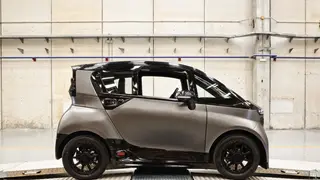
Liux, a Spanish startup, is entering the European microcar market with a small electric vehicle designed around sustainability, using a linen-based biocomposite body and home-rechargeable batteries. The company acknowledges that a fully sovereign supply chain is unrealistic but aims to prioritize circularity and easy maintenance to compete with Chinese rivals. Co-founder Antonio Espinosa de los Monteros previously built a sustainable water brand and now applies similar principles to automotive design.
Liux’s pivot from the Animal SUV prototype to the smaller Big model was a strategic move to simplify the homologation process required for European sales. The company’s production approach is deliberately lean, following Toyota’s management principles and performing only final assembly steps at its facility in Azuqueca de Henares. The factory is one of three planned Spanish sites, with a projected annual capacity of 20,000 vehicles by 2030. Co-founder Antonio Espinosa de los Monteros previously built the sustainable water brand Auara, which was acquired by a larger player before he partnered with engineer David Sancho, whose background includes developing a hybrid supercar unveiled at Le Mans in 2017. The team has grown to 65 employees as it prepares for a market launch in the first half of next year.
This microcar could signal a shift in how European consumers weigh sustainability against cost in the urban mobility segment. If Liux succeeds, it may pressure larger automakers to prioritize repairability and material circularity over disposable design. The company’s approach could also offer an alternative to Chinese imports, potentially influencing local manufacturing jobs and supply chain decisions. However, its impact depends on consumer willingness to pay for eco-conscious engineering in a price-sensitive market.