James says Michigan elections pivotal to stopping socialism
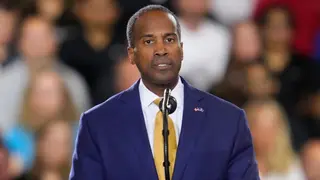
Republican gubernatorial candidate John James called Michigan's upcoming elections 'ground zero for this republic' on Sunday, arguing that stopping socialism in the state is crucial for the rest of the country. He criticized some Democratic candidates for associating with streamer Hasan Piker, who made controversial remarks about 9/11. James's comments come amid recent primary wins by progressive candidates like Abdul El-Sayed, who has distanced himself from Piker.
James framed Michigan’s 2026 races as a national firewall against socialist influence, citing recent progressive primary victories as evidence of urgency. He specifically pointed to Democratic Senate hopeful Abdul El-Sayed’s past appearances with streamer Hasan Piker, whose 2019 “America deserved 9/11” remark has resurfaced ahead of the September 11 anniversary. El-Sayed has since said he won’t campaign with Piker, though he continues to back policies like Medicare for All and ICE abolition. James’s remarks reflect broader GOP messaging tying Democratic candidates to online figures with controversial histories.
The state’s primaries have exposed intraparty Democratic divisions, with progressive insurgents winning seats while moderates urge distance from polarizing voices. Piker’s recent clarification that he could have phrased his 9/11 comment better has not fully quieted criticism from both parties. James’s “ground zero” language amplifies the stakes for Michigan voters, who will decide not only the governorship but also a Senate seat, making the state a key test of national political trends.
This story may sharpen partisan divides in Michigan, where voters could see the election as a proxy for national ideological battles. James’s framing may energize conservative base turnout, while progressive candidates could face increased scrutiny over past associations. The 9/11 anniversary timing may heighten emotional reactions, potentially influencing undecided voters. Broader society may experience more polarized discourse, as online personalities become campaign liabilities. However, the actual impact depends on how candidates navigate these issues and whether voters prioritize local concerns over national narratives.