President calls on regulator to penalize news network over poll coverage
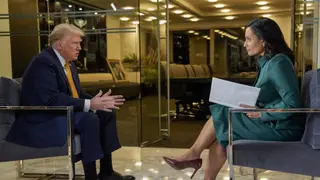
President Trump asked the Federal Communications Commission to investigate news media polling and to take action against NBC's Kristen Welker for remarks about his endorsement record. He also criticized a New York Times reporter for a separate story. The FCC has limited authority over such matters, and NBC has defended Welker.
The president’s request targets the FCC’s broadcast licensing authority, yet the agency’s purview does not extend to cable networks, print outlets, or the independent polling firms that typically conduct surveys. His social media post specifically named NBC’s Kristen Welker over her on-air assessment of his primary endorsement record, which included both losses and wins. NBC has publicly defended Welker, and the FCC chairman, Brendan Carr, has not indicated any action. Separately, Trump criticized a New York Times reporter’s account of his absence from a Sept. 11 ceremony, though that story involves print journalism, outside FCC reach.
The First Amendment’s press and speech protections underpin the legal limits on any regulatory punishment for editorial content. While the FCC can fine or revoke licenses for indecency or technical violations, political commentary and polling analysis are not among those grounds. The president’s repeated calls for FCC intervention reflect a broader pattern of using regulatory threats against unfavorable coverage, but past attempts have not resulted in enforcement actions against news organizations for their reporting.
This episode could further erode public trust in both media and regulatory institutions, as audiences may perceive the FCC as a political tool rather than an independent arbiter. Journalists and news outlets may face increased pressure to self-censor polling or endorsement coverage, potentially narrowing the range of information voters receive. However, legal safeguards and industry resistance, as shown by NBC’s response, may limit actual consequences, leaving the impact largely rhetorical and symbolic for now.