Global response muted to Treasury's Iran sanctions warning
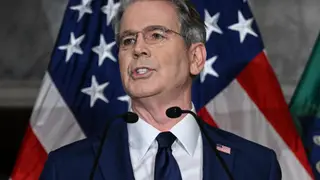
Treasury Secretary Scott Bessent threatened an economic onslaught against Iran and its trading partners, but countries like China, the UAE, and Turkey have not altered their behavior. Analysts say the actions fell short of the hype, with only a modest sanction on UAE-based branches of an Egyptian bank announced. The US faces a dilemma: effective sanctions would require hitting China, risking global economic fallout.
The Treasury's week ended with only a single targeted action: sanctions on Banque Misr's UAE branches, a modest step given Bessent's earlier promise of a major financial institution announcement. Iranian banking operations in the Gulf remain visibly active, with Bank Melli branches in Abu Dhabi and Dubai still processing business. Commercial air links between Tehran and Turkey, the UAE, Thailand, Azerbaijan, Russia, and China also continue uninterrupted.
Bessent's rhetoric drew comparisons to the Normandy invasion, but the execution was unilateral, relying on pressure rather than coalition-building. The administration reportedly sought a supportive statement from the UK, and Bessent is expected to face questions at the G20 gathering in Asheville about whether Washington would target a Chinese financial institution directly. China purchases roughly 90 percent of Iran's oil exports, making any effective sanctions campaign contingent on Beijing's cooperation.
This standoff could ripple through global energy markets and banking networks if the US escalates toward targeting Chinese institutions, potentially disrupting trade flows and supply chains that many economies depend on. Businesses with exposure to Gulf financial hubs may face compliance uncertainty, while smaller trading partners caught between Washington and Tehran could experience pressure. The muted international response may also embolden other sanctioned nations, though the long-term credibility of US financial power remains a factor in how governments and markets calibrate risk.