U.S. Strikes Iranian Rocket Positions in Strait of Hormuz After Month-Long Pause
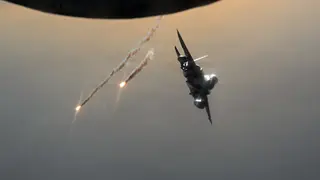
American forces targeted Revolutionary Guard rocket launchers near Larak island on Sunday, marking the first U.S. military engagement with Iran in a month. The launchers were reportedly being prepared to fire sea mines into the strait, which had recently been cleared of such hazards. The strike comes as the Trump administration shifts toward economic sanctions over military action, though concerns about munitions stockpiles and global oil transit risks persist.
Sunday’s strike targeted Revolutionary Guard rocket launchers near Larak island, where crews were reportedly preparing to deploy sea mines into the strait’s shipping lanes. The U.S. military had just finished clearing such mines from international routes last week. Iranian state media confirmed casualties among Guard fighters and vowed retaliation, while a separate British monitoring report noted an unidentified projectile hit a tanker north of Khasab on Saturday, with no injuries or spills reported.
The action follows a month-long pause in direct U.S.-Iran engagements, during which the Trump administration signaled a pivot toward economic sanctions as its primary pressure tool. That shift reflects concerns over depleted U.S. munitions after six months of conflict, even as Iran continues to threaten the strait’s vital oil traffic. Daily transits have fallen from roughly 130 vessels before the war to about 24 last week, according to Trump’s own count, underscoring the waterway’s fragility.
This strike may signal that military escalation remains a live option even as Washington emphasizes sanctions, potentially prolonging uncertainty for global energy markets. Shipping firms and insurers could face higher risk premiums, while oil-dependent economies may see price volatility if transit disruptions persist. The reduced vessel traffic already hints at broader economic strain, and any further attacks could tighten supply chains. However, the administration’s stated shift toward economic pressure suggests a possible de-escalation path, though the impact on regional stability and global trade hinges on Iran’s response.