What it takes for NFL players to reverse retirement and return to the field
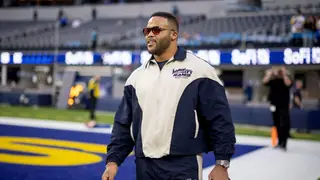
Aaron Donald's decision to end his retirement and rejoin the Rams highlights the NFL's informal retirement process, which now hinges on a player being without a contract for one year. Reinstatement requires informing the commissioner and applying, after which the player and agent must find a team fit. Players under contract who step away are placed on the reserve/retired list, preserving their rights with the club.
The NFL's retirement framework is largely informal, with official status triggered only after a player remains contract-free for a full year. This explains why veterans like Larry Fitzgerald could claim they never formally retired, even after years away from the game. Reinstatement requires written notification to the commissioner, after which the player and agent must negotiate their own path back, often through workouts during offseason programs.
Players who step away while still under contract land on the reserve/retired list, which preserves their rights with their club. This arrangement proved valuable when Darren Waller returned from retirement and was traded by the Giants to Miami for draft compensation. Notably, retirement benefits—including health coverage and disability—accumulate during a player's first three credited seasons, meaning vested players retain access regardless of their return status.
This story could reshape how fans and analysts view player retirements, which are increasingly treated as temporary rather than permanent. Teams may face roster uncertainty when stars like Aaron Donald return, affecting salary cap planning and younger players' development opportunities. Society may also see retirement as less definitive for high-profile athletes, potentially influencing public expectations around career longevity and the physical toll of professional football.