Steelers keep four quarterbacks and activate Porter in roster moves
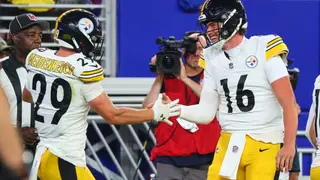
The Pittsburgh Steelers set their initial 53-man roster, retaining four quarterbacks: Aaron Rodgers, Mason Rudolph, Will Howard, and Drew Allar. They traded offensive tackle Broderick Jones and running back Kaleb Johnson, while undrafted rookie Kevin Jobity Jr. earned a spot. Cornerback Joey Porter Jr. was activated off the PUP list, avoiding a four-game absence.
The Steelers' decision to carry four quarterbacks reflects a deliberate balance between immediate competitiveness and long-term development. By keeping veteran Mason Rudolph as insurance behind Aaron Rodgers while retaining young passers Will Howard and Drew Allar, the coaching staff hedges against injury while investing in the future. The trades of Broderick Jones and Kaleb Johnson signal a willingness to cut losses on underperforming draft picks, netting compensation rather than simply releasing them.
Rookie surprises defined the roster's edges. Seventh-round pick Eli Heidenreich, a local product, beat out established special-teams contributor Travis Homer for a versatile running back/wide receiver role. Undrafted defensive lineman Kevin Jobity Jr. also earned his place, while veteran inside linebacker Elandon Roberts was released. Most critically, activating Joey Porter Jr. off the PUP list prevents a four-game absence, though his unresolved contract dispute remains a lingering concern for the defense.
These roster decisions could shape the Steelers' season trajectory and the careers of fringe players. Keeping four quarterbacks may limit flexibility at other positions, potentially affecting depth in areas like the offensive line or secondary. The activation of Joey Porter Jr. likely reassures fans and teammates about the defense's immediate strength, though his contract impasse may create ongoing distraction. For undrafted rookies and local favorites like Heidenreich, making the roster represents life-changing opportunity, while veteran cuts underscore the league's relentless turnover. The team's balancing of present competitiveness with future development could influence fan expectations and front-office credibility throughout the season.