H-1B visa hurdles push New York professional to relocate to India
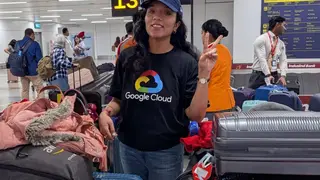
Disha Lamba, a former CVS Health employee, left her six-figure job in New York to move back to India. She said the restrictions of the H-1B visa program made the decision to leave the U.S. easier. Lamba acknowledged that the move involved significant personal sacrifice.
Disha Lamba’s departure from a six-figure role at CVS Health in New York highlights the growing friction skilled foreign workers face under the H-1B program. She cited the visa’s restrictive terms—including employer ties and uncertain renewal paths—as a decisive factor in her choice to return to India. Lamba described the relocation as a meaningful personal cost, acknowledging that leaving behind a lucrative U.S. career was not an easy call.
Her case reflects a broader pattern in which highly educated professionals weigh prolonged visa uncertainty against career stability abroad. As H-1B caps and processing delays persist, some workers conclude that repatriation offers a more predictable professional future, even at the expense of income and lifestyle.
This story may signal growing retention challenges for U.S. employers who depend on skilled immigrant talent. If more H-1B holders choose to leave, companies could face higher recruitment and training costs, while innovation hubs may lose experienced contributors. For visa holders themselves, the decision carries emotional and financial weight, potentially reshaping family plans and long-term career trajectories. Policymakers and business leaders may need to consider how visa structures influence talent flows, as individual choices like Lamba’s could gradually affect workforce competitiveness and economic dynamism.