Roof sensor glitch and rain push back Armstrong night match at U.S. Open
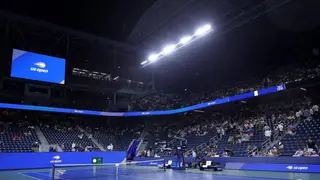
A rain delay combined with a mechanical failure in the Louis Armstrong Stadium roof sensor left the court exposed to rain for about 90 minutes, delaying the Bublik-Wolf match. Fans cheered when the roof finally closed, and the match began around 9:30 p.m. ET. The USTA attributed the issue to a sensor malfunction, and the delay also boosted concession sales, with one bar nearly running out of melon balls.
The USTA attributed the roughly 90-minute delay to a sensor malfunction rather than a structural failure, though the distinction offered little comfort to players and fans watching rain soak the court. Svitolina's swift 51-minute victory had actually pushed Bublik-Wolf ahead of schedule, making the subsequent stoppage feel especially disruptive. The delay created a secondary effect beyond scheduling: concession demand spiked sharply, with one Armstrong bar reportedly nearly depleted of melon balls by 9:45 p.m., underscoring how weather interruptions ripple through tournament operations.
The incident highlights the reliance on retractable-roof technology at modern Grand Slam venues. Armstrong's roof, designed to prevent exactly this scenario, became the source of the problem when its sensors failed. The USTA's quick explanation and the eventual successful closure suggest the issue was isolated, but the episode serves as a reminder that even sophisticated stadium infrastructure can introduce new vulnerabilities alongside its protections.
This incident may affect tournament credibility and fan experience, as spectators who paid for night-session tickets endured extended waiting with limited explanation. It could also prompt venues to review sensor maintenance protocols, potentially influencing how other Grand Slams approach roof reliability. For players, such delays disrupt rhythm and recovery schedules, possibly affecting performance in subsequent rounds. The broader tennis community may see this as a cautionary tale about over-reliance on technology, though the eventual resolution suggests minimal lasting impact beyond one disrupted evening.