Villagers in Myla demand answers after ammunition depot strike kills dozens
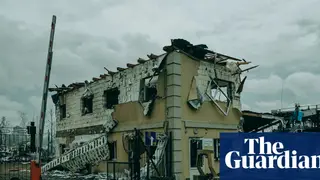
A Russian drone strike on an ammunition depot in Myla, near Kyiv, killed at least 38 people and left four missing. Residents say the weapons were stored too close to homes, and many were unaware of the depot's presence. The blast destroyed houses and cut off utilities for surviving families.
The depot sat roughly 300 metres from Volodymyr's home, and witnesses reported between 30 and 50 explosions over about six hours following the initial strike. Residents described hiding in small bunkers while the detonations continued through the night. Emergency cleanup crews found Grad rocket shells, anti-tank mines, and cluster munitions scattered across private property, with some items still being recovered from collapsed ceilings days later.
Many villagers said they had no knowledge of the weapons stored nearby; one resident assumed the facility held humanitarian supplies. The blast zone remains hazardous, with smouldering fires and lingering sulphurous odours, and rescue operations were paused at lunchtime due to a fresh drone threat overhead. Surviving families face costly repairs while lacking electricity and water.
This incident could deepen public scrutiny of military logistics decisions in populated areas, as residents directly affected may demand greater transparency about what is stored near civilian homes. The psychological toll on survivors—who endured hours of explosions without warning—may strain trust in both military authorities and local governance. Broader societal impacts could include renewed debate over siting protocols for munitions, though wartime secrecy complicates any accountability process.