Global climate impacts hit poorer nations hardest, argues commentator
The article contrasts the devastating floods in Nepal, which have killed over 750 people, with the more resilient responses of wealthier countries like France and the UK to wildfires. It argues that the climate crisis has an economic cost that some nations can absorb better than others, creating a stark asymmetry in impact. The author stresses that even developed countries are not immune to globalised consequences such as rising food costs and water shortages.
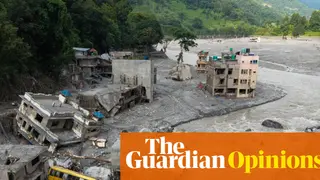
The Nepal floods, triggered by a wave of water, mud, and ice, have claimed over 750 lives with thousands still missing. Rebuilding costs are estimated at roughly $5 billion, potentially consuming up to a tenth of Nepal's entire economy, before accounting for foreign technical assistance, equipment, and expertise.
By contrast, European responses show greater financial cushioning. France rapidly mobilised tax breaks, relocation costs, and rebuilding aid for wildfire-affected businesses, while the UK pre-deployed nearly £100 million for wildfire resilience. The article also cites extreme heat data from India, including 3,400 excess deaths from a single day and 30,000 from five consecutive days, alongside coral reef degradation that weakens natural storm barriers for Caribbean nations.
This asymmetry in climate resilience could deepen existing global inequalities, as poorer nations face catastrophic losses that consume significant portions of their economies while wealthier countries absorb shocks more readily. However, the piece suggests developed nations may not remain insulated indefinitely, as globalised supply chains transmit rising food costs and water shortages across borders. This framing may influence public perception of climate action as a shared interest rather than a distant concern, potentially shifting discourse around international climate finance and disaster preparedness priorities.