Teenage migrants in Ceuta describe hopes for education and stability
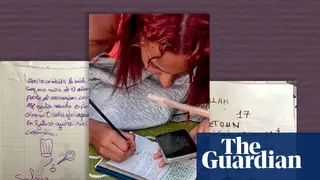
Twenty-nine teenage girls who crossed from Morocco to Ceuta in late July shared their reasons with the Guardian, including giving up school and facing domestic responsibilities at home. They now live in an improvised settlement in El Príncipe, uncertain whether they will be allowed to stay in Spain or be returned to Morocco. Their dreams range from becoming a chef to working in intelligence services.
The 29 girls, aged roughly 16 to 17, crossed from Morocco to Ceuta in late July as part of a mass migration event. They now reside in an improvised settlement in El Príncipe, one of Ceuta's most deprived neighborhoods, alongside hundreds of other young Moroccans. Their written reflections, submitted in multiple languages including Arabic, Darija, Spanish, French, and English, reveal consistent themes: interrupted education, domestic obligations, and aspirations for professional careers ranging from nursing and psychology to football and culinary work.
Several girls cited family conflict, psychological struggles, and lack of parental affection as motivating factors. Some expressed hope of financially supporting their parents if allowed to remain in Spain, while others described the physical and emotional toll of the crossing itself. Their legal status remains unresolved, with authorities yet to determine whether they will be permitted to stay or repatriated to Morocco.
This story could shape public discourse on youth migration from North Africa, particularly regarding unaccompanied minors and teenage girls, a demographic often overlooked in migration narratives. The girls' emphasis on education and professional ambition may influence how European policymakers frame asylum and residency decisions, potentially affecting future reception policies. Their uncertain legal status could also strain Spanish-Moroccan diplomatic relations, while the settlement conditions in El Príncipe may draw scrutiny to migrant welfare standards. The outcome of these cases may set precedents for how similar situations are handled elsewhere in Europe.