Google under fire for renaming Lake Ontario to Lake America in mapping service
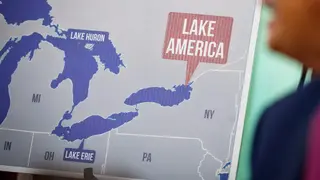
Google has drawn criticism for labeling Lake Ontario as Lake America on its mapping platform. Canadian officials are removing embedded Google Maps from government sites to enforce the correct name. The controversy highlights tensions over geographic naming conventions.
The renaming of Lake Ontario to “Lake America” on Google’s mapping service has escalated into a diplomatic spat, with Canadian officials removing embedded Google Maps from government websites to enforce the correct geographic designation. The move reflects broader friction over digital cartography, where private platforms increasingly control how borders, landmarks, and names are presented to billions of users. Geographic naming is often politically sensitive, as place names carry historical, cultural, and national significance. When a tech giant unilaterally alters a name, it can undermine official records and trigger public backlash, forcing governments to assert authority over digital representations of their territory. This incident underscores the growing tension between corporate data stewardship and state sovereignty in the digital age.
This controversy could affect public trust in digital mapping as a neutral source of geographic truth, particularly for cross-border regions. Canadian users and officials may feel their national identity is undermined, while other governments might scrutinize how tech companies handle place names. The dispute may also prompt calls for clearer oversight or collaborative naming protocols, potentially influencing how platforms manage sensitive geographic labels globally. However, the impact could remain limited if Google quickly corrects the error, though the episode highlights the outsized role private firms play in shaping everyday perceptions of geography.