Data Centers Eye Nuclear Reactors as Gas Alternative, But Deployment Lags
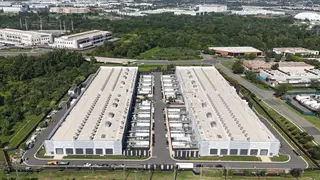
Data center developers are looking to small modular nuclear reactors (SMRs) as a reliable, low-emission power source, but no commercial SMRs are yet operating in the U.S. Experts question whether the technology can be deployed in time to meet growing energy demand. The reactors, generating 70-350 MW, offer a smaller footprint but face regulatory and timeline hurdles.
Small modular reactors are designed to generate between 70 and 350 megawatts, a fraction of the output from traditional 1,000-megawatt nuclear plants. Twenty-two SMR designs are currently under development in the U.S., with two from NuScale Power having secured Nuclear Regulatory Commission approval—yet none are commercially operational as of August. Industry advocates highlight advantages including firm, emissions-free power and a compact footprint suited to data center campuses.
The preferred deployment model involves co-location, placing reactors adjacent to data centers while maintaining grid connectivity to avoid new transmission investments. However, regulatory approvals span multiple years, and cost benchmarks remain uncertain. The Darlington Project in Ontario, Canada, currently serves as the primary reference point for projected SMR construction expenses, though final figures vary by project.
This technology gap could affect electricity consumers and data center operators alike. If SMR deployment lags, data centers may continue relying on gas turbines, potentially slowing emissions reductions and straining regional power grids. Communities hosting data centers could face prolonged uncertainty about local energy supplies and costs. The outcome may shape how quickly the U.S. can reconcile rising digital infrastructure demand with climate commitments.