Rio's ballroom scene: a photo essay on identity and community
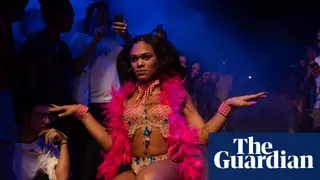
Photographer Juliana Bizzo documents Rio de Janeiro's ballroom scene, which originated from Black and Latinx LGBTQ+ communities in the US and has grown in Rio since 2016. The photo essay captures performances and the sense of belonging at events across Maré, Lapa, and the city center. Bizzo describes the energy as a force built from presence and belonging.
Ballroom culture emerged in New York during the late 1960s and 1970s, created by Black and Latinx LGBTQ+ individuals as a response to racism and exclusion within traditional drag pageants. Participants organize into "houses" — chosen families offering guidance and support — and compete in categories spanning dance, fashion, performance, and gender expression. Rio's scene began forming around 2015-2016, with the Conferência das Bruxas in May 2016 recognized as the state's first ball.
The movement has since adapted to Rio's distinct character, incorporating local elements like funk music, carnival traditions, and the cultures of the city's peripheries. Naming conventions carry specific meaning: house names become surnames, "007" marks unaffiliated participants, and titles like Mother, Father, Prince, and Princess denote positions within house hierarchies. The Kiki and mainstream circuits maintain separate systems, so individuals may hold different names and titles in each.
This documentation of Rio's ballroom scene may broaden public understanding of LGBTQ+ cultural expression beyond mainstream narratives, particularly highlighting how marginalized communities build support networks through chosen family structures. The scene's growth from periphery venues to prominent cultural spaces could signal shifting acceptance, while its rootedness in working-class neighborhoods may challenge assumptions about where such artistic movements thrive. Readers might gain appreciation for how performance serves as both personal identity and collective affirmation.