Seismic swarm under Thwaites Glacier points to ocean-driven ice destabilization
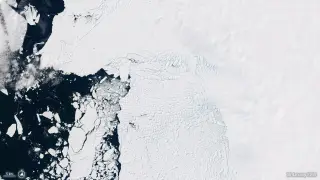
Researchers detected 245 previously unnoticed seismic events near the marine edge of Thwaites Glacier, many caused by iceberg calving and collisions. The activity surged during a period of faster ice flow, suggesting changing ocean conditions may be weakening the glacier.
The study identified 362 glacier seismic events in Antarctica between 2010 and 2023, with 245 concentrated near Thwaites Glacier's marine edge. These events differ from typical earthquakes because they lack high-frequency seismic waves, which is why they went unnoticed by global monitoring networks. The research relied on Antarctic-based seismic stations instead.
The activity peaked during a period when Thwaites was flowing faster toward the ocean. Glacial earthquakes occur when tall, thin icebergs calve, capsize, and collide with the parent glacier. Similar events in Greenland vary seasonally and have increased with polar warming, suggesting Antarctic patterns may also reflect changing ocean conditions.
The findings could help scientists better predict how Thwaites Glacier responds to ocean warming, potentially improving sea-level rise forecasts. Coastal communities worldwide may face heightened flood risks if the glacier destabilizes further, though the timeline remains uncertain. Better seismic monitoring could provide earlier warnings of rapid ice loss, aiding adaptation planning for vulnerable regions.