Chemists crack synthesis of metal nitride nanocrystals for flexible tech
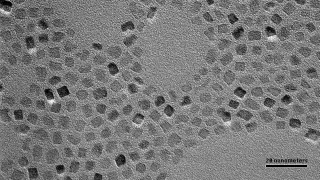
A new method produces nanocrystals from metal nitrides, a class of materials that previously resisted such fabrication. The breakthrough could enable flexible lighting, printable devices, and advanced medical implants.
The synthesis relies on overcoming the strong ionic bonds that normally prevent metal nitride ions from rearranging during crystal growth. By developing a new chemical pathway, the team produced nearly a dozen different nitride compounds as nanocrystals, a scale where billions fit on a fingernail. The work appears in the journal Nature and builds on the broader nanocrystal field, which gained prominence when quantum dots helped inspire the 2023 Nobel Prize in Chemistry. Metal nitrides like gallium nitride already underpin much of modern lighting, from LED bulbs to laptop displays, but have previously been limited to rigid film formats.
This advance could reshape how electronics are manufactured, potentially allowing metal nitride materials to be printed onto flexible surfaces or woven into fabrics, enabling bendable lighting and wearable devices. Medical implants may also benefit, since nitrides are biocompatible and corrosion-resistant. Manufacturers of displays, lighting, and printed electronics could see new production options, while consumers might eventually encounter more durable, flexible gadgets. However, commercial adoption remains uncertain, as scaling laboratory methods to industrial production typically takes years of additional engineering work.