Low-dose lithium supplements face first human trial for Alzheimer's prevention
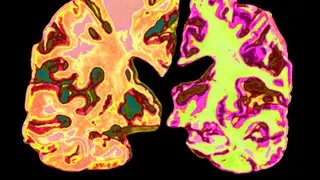
A clinical trial at Johns Hopkins University will test lithium orotate in people with early Alzheimer's, following animal studies showing it reversed memory loss in mice. Observational data also link higher natural lithium levels in water supplies to lower dementia rates, though causation remains unproven. Researchers caution that the evidence is preliminary and potential side effects of supplementation are not yet fully understood.
The upcoming Johns Hopkins trial marks the first human test of lithium orotate specifically for early Alzheimer’s, building on Harvard research where the compound reversed memory deficits in mice. That study also found lower lithium levels in the brains of people who died with Alzheimer’s compared to cognitively healthy peers. Separately, a Baylor analysis of over 2,000 U.S. counties linked higher natural lithium in public water to lower dementia rates, though correlation does not establish causation. Lithium’s psychiatric history is long—lithium carbonate has treated bipolar disorder for decades—but orotate may deliver more lithium to healthy brain tissue by avoiding amyloid plaque binding. The mechanism likely involves inhibiting GSK-3 beta, an enzyme tied to plaque buildup and inflammation.
If the trial shows benefit, low-dose lithium could become a widely accessible preventive for dementia, potentially shifting public health strategies toward mineral supplementation. However, premature enthusiasm may lead to unsupervised use, as seen with current supplement sales, given unknown long-term side effects and unproven efficacy. Older adults and caregivers could be most affected, weighing hope against risk. The findings may also spur research into environmental lithium levels and dietary guidelines, but any population-wide recommendation would require far stronger evidence than observational links.