Photojournalist's rare access reveals contradictions in Taliban household life
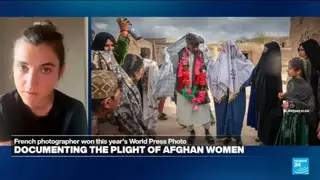
Award-winning photojournalist Elise Blanchard gained rare access to a Taliban household in Afghanistan, revealing a social reality that defies simplistic portrayals of Afghan women as passive victims. Her book traces how child marriage in drought-affected Badghis province stems from material pressures worsened by climate change, while gendered violence is linked to patriarchy, poverty, and political instability. Blanchard's work highlights the contradictions within Taliban society, including a wife who welcomes Taliban members as brothers while asserting women's rights to freedom.
Blanchard's access to a Taliban household in Badghis province allowed her to document how environmental stress intersects with social practices. The region's drought has created material pressures that families respond to through arrangements like child marriage, revealing economic dimensions behind practices often framed purely as cultural or religious.
Within the household itself, Blanchard observed contradictory dynamics. A wife reportedly welcomed Taliban members as brothers while simultaneously asserting women's rights to freedom, illustrating how individuals navigate between accommodation and resistance under the current political order. The book positions gendered violence as emerging from multiple overlapping factors—patriarchy, poverty, drought, and instability—rather than a single cause.
Blanchard's documentation could reshape public understanding of Afghan women's agency, moving beyond victimhood narratives to show complex negotiation within constrained circumstances. Her findings may influence humanitarian organizations' approaches to gender-based programming in Afghanistan, particularly regarding climate-related displacement and family pressures. The work could also inform policy discussions about engagement, as it reveals internal contradictions that external actors may weigh in diplomatic calculations. However, such portrayals