Palou Clinches IndyCar Crown; O'Ward Takes Both Milwaukee Races
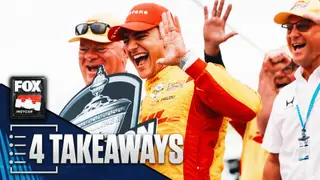
Alex Palou secured his fifth IndyCar championship and fourth straight by finishing fifth and tenth in the Milwaukee doubleheader. Pato O'Ward swept both races, winning the rescheduled Saturday event and the scheduled Sunday race. Palou's Chip Ganassi Racing team has now won 14 races over the last two seasons.
The unusual scheduling stemmed from Saturday's rain, which halted the first race after 90 laps; officials then completed it Sunday before the regularly scheduled event, creating the doubleheader format. Palou's championship margin was secured with a race still remaining on the 2026 calendar, marking his fifth title in six seasons and fourth straight, tying the all-time consecutive record. His Chip Ganassi Racing operation has accumulated 14 victories across the past two seasons, underscoring the team's sustained dominance.
O'Ward's sweep marked the first time since 1981 that a driver won two IndyCar races in a single day, though modern scheduling no longer features traditional twin races. The Arrow McLaren driver entered the weekend with just one podium all season—a win at Mid-Ohio—and his two victories lifted him from fifth to fourth in the final standings. Malukas, who finished second in both races, cited recurring engine power losses on restarts as a persistent frustration, while Kirkwood's sixth and fifteenth-place finishes officially eliminated him from title contention.
This championship may reinforce IndyCar's growing narrative around sustained excellence, potentially boosting fan engagement and broadcast interest as Palou's dominance becomes a defining storyline. His success could attract casual viewers curious about historic achievements, while O'Ward's late-season resurgence may strengthen rivalries that drive ticket sales and merchandise revenue. Sponsors and teams could see increased visibility, though prolonged single-driver dominance might also risk audience fatigue if competitive balance narrows. The Milwaukee event's unique doubleheader format may influence future scheduling decisions, offering promoters a template for weather-related contingencies that preserve race-day entertainment value.