Nepal flood survivors demand accountability as hero headmaster saves 1,600
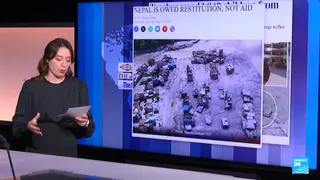
A Nepali headmaster saved over 1,600 students during recent flash floods, as highlighted by international media. Nepali outlets criticize Western hypocrisy on climate justice, noting Nepal produces only 0.1% of global emissions yet suffers severe consequences. The press review also covers French child abuse scandals and insect voting behavior.
The flood in Nepal claimed over 900 lives, with hundreds still missing, as recovery efforts continue. The heroic rescue by headmaster Rajendra Dadabi at Tribhuvan Trishuli secondary school drew international attention, yet local media emphasize that Nepal’s negligible carbon footprint—just 0.1% of global emissions—contrasts sharply with the disproportionate devastation it faces. The Himalayan Times framed the disaster as a debt owed by industrialized nations, pointing to destroyed infrastructure and lost lives as the price of others’ prosperity. Meanwhile, French news outlets reported on renewed parental anxiety over child safety in public childcare settings, following a wave of abuse allegations that resurfaced during the summer. Elsewhere, a National Geographic piece explored collective decision-making in insects, suggesting ants and bees exhibit behaviors akin to voting.
This story could reshape global conversations about climate responsibility, as Nepal’s plight highlights how the world’s smallest emitters bear the heaviest costs. International sympathy for the headmaster’s bravery may amplify pressure on wealthy nations to fund adaptation and loss-and-damage mechanisms. Domestically, the disaster may strengthen calls for better flood preparedness and accountability. Meanwhile, the French abuse reports could erode public trust in childcare institutions, prompting stricter oversight. The insect voting study, while tangential, may spark curiosity about democratic processes in nature, but its societal impact remains limited.