Study: Combining solar panels and crops improves land use and reduces heat stress for farmworkers
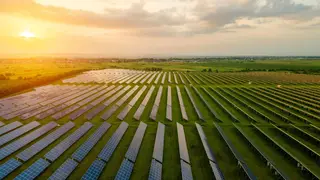
A new computer model simulates the microclimate beneath solar panels in agrivoltaic systems, tracking energy, water, and carbon flows between panels, crops, and soil. The model was validated with field data from California and Minnesota, showing that shared land can boost crop protection and soil moisture while lowering worker heat exposure. This integrated approach could help balance renewable energy production with food cultivation as solar power expands.
EXPANDED:
The model integrates multiple environmental variables simultaneously, tracking energy, momentum, and mass movement through the entire agrivoltaic system. It was validated against leaf temperature data from California and soil temperature readings from Minnesota, then applied to a simulated tomato crop in New Jersey using hot, humid weather conditions.
Results showed tomatoes under panels ran cooler by nearly 2°C on average and over 7°C during peak afternoon heat, cutting evapotranspiration by roughly a fifth. Despite receiving nearly half the sunlight, carbon uptake dropped only about a third, indicating reduced heat stress offset shade effects. Panels themselves ran cooler and regained about 15% of heat-related efficiency