Bhutan summit urges spiritual shift to fix global food crisis
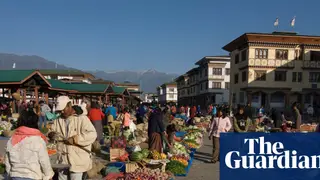
A five-day summit in Bhutan is bringing together representatives from over 60 countries to address global food system failures. Organizers argue that solutions require both economic and spiritual transformation, integrating regenerative practices and indigenous knowledge. The meeting comes as climate extremes and conflicts disrupt food supplies worldwide.
The summit's location carries regional significance, as a glacial collapse in neighboring Nepal recently triggered floods and landslides that killed hundreds. The World Food Programme has warned that the ongoing super El Niño could push 50 million people toward starvation, following a northern hemisphere summer marked by drought, extreme heat, and wildfires that devastated harvests.
Bhutan's prime minister framed food systems as products of human values and choices rather than purely technical matters. The gathering pairs policymakers with mindfulness practitioners and yoga therapists, reflecting organizers' position that regenerative farming and Indigenous knowledge deserve equal standing with conventional agricultural science in addressing supply disruptions.
This summit's framing could influence how international food policy discussions evolve, particularly if its emphasis on consciousness and Indigenous practices gains traction among participating governments. Communities already facing food insecurity from climate extremes and conflict may find their concerns validated by this approach, though translating spiritual principles into measurable policy outcomes remains uncertain. The meeting's outcomes could shape future aid priorities and agricultural investment decisions.