Selling Yosemite parcel would betray public trust, argues Solnit
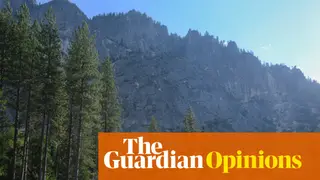
Rebecca Solnit criticizes the Trump administration's plan to sell a parcel of Yosemite National Park for private development, arguing it represents a broader dismantling of public lands for oligarchic profit. She emphasizes that public lands belong to all and should not be plundered for short-term gain.
The disputed parcel is roughly a quarter-mile section along Yosemite's western border, where a corporation reportedly plans development. Solnit traces the park's legal protections to 1864, when Abraham Lincoln signed legislation declaring the valley "inalienable for all time," though Yellowstone later became the first federally managed national park under Ulysses S. Grant in 1872.
Solnit acknowledges the parks' complicated origins, noting that Yosemite and other preserves were Indigenous ancestral homelands before white settlement, with early visitors arriving during military campaigns tied to the Gold Rush era. She argues the current administration's broader push to open public lands to mining, logging, and fossil fuel extraction reflects a pattern of prioritizing elite profit over long-term public benefit.
This story could affect millions of Americans who view national parks as a shared inheritance, as well as rural communities whose economies depend on park tourism. If the sale proceeds, it may set a precedent for other public land transfers, potentially reshaping how future administrations approach protected areas. The debate could also influence public perception of environmental stewardship during a period of intense political division over federal land management.