US and Iran trade military strikes in Strait of Hormuz after months of relative calm
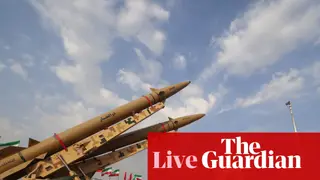
The United States launched airstrikes on Iranian rocket launchers on Larak Island in the Strait of Hormuz, prompting Iran to fire ballistic missiles at US bases in Jordan and the UAE. A supertanker was reportedly halted after hitting naval mines in the strait, with Iran's Revolutionary Guard claiming the vessel was attempting to pass illegally. The exchange marks the first direct hostilities between the two countries in over a month.
The strikes mark a sharp escalation after a month of relative quiet, with the US targeting IRGC rocket launchers on Larak Island that were reportedly poised to seed sea mines. Iran’s retaliation included ballistic missile attacks on US bases in Jordan and the UAE, though Jordan intercepted eight missiles. A supertanker was halted by naval mines in the southern strait, with the IRGC alleging illegal passage and warning other vessels to comply with its rules.
The incident unfolds amid broader regional tensions: Iran’s supreme leader framed the US and Israel as enemies of all Islamic nations, while Israel evacuated Netanyahu’s son over a threat. Economic pressure is mounting, as US treasury secretary Bessent plans to intensify isolation efforts at G20 talks, and Iran’s president attends a Shanghai Cooperation Organisation summit, signaling diplomatic counter-moves with Russia and China.
This exchange could further destabilize global energy markets, as the Strait of Hormuz carries a significant share of world oil shipments. Shipping disruptions may raise fuel prices, affecting consumers and industries worldwide. Regional allies like Jordan and the UAE face heightened security risks, potentially straining their relations with both Washington and Tehran. The conflict may also deepen geopolitical divides, prompting non-aligned nations to reassess alliances, while civilian populations in the Gulf could experience increased anxiety over the threat of broader military escalation.