US tech reliance creates a double-edged sword for Ukraine's drone strategy
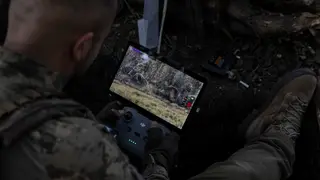
Ukraine's drone operations have become heavily dependent on American technology such as Starlink, giving them a tactical advantage but also a critical weakness. Military officers are concerned because Kyiv does not have full control over these systems. The reliance poses risks if US support or access changes.
Ukraine's battlefield drone operations now hinge on American-made systems, with satellite communications like Starlink serving as a backbone for coordination and targeting. This integration delivers real-time battlefield awareness, allowing Ukrainian forces to strike with precision and speed that would otherwise be impossible.
Yet that same dependency creates a structural vulnerability. Military planners in Kyiv acknowledge they do not fully own or control the infrastructure their operations rely on. Any shift in US policy, export restrictions, or service disruptions could instantly degrade drone effectiveness, turning a tactical asset into a strategic liability at a critical moment in the conflict.
This story could affect defense planners, technology firms, and civilians in conflict zones. If reliance on foreign tech becomes a recognized weakness, other nations may reconsider their own military digital dependencies, potentially reshaping procurement strategies. It may also influence public perception of how modern warfare is waged, highlighting that technological advantage is not absolute. The outcome could set precedents for how allied nations balance interoperability with autonomy in future conflicts.