Scorching temperatures deepen Gaza's water crisis amid war damage
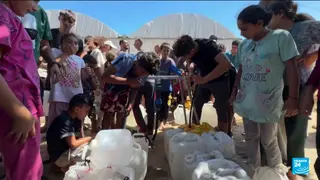
Gaza's water and sanitation systems have been largely destroyed by over two years of conflict, with UNICEF estimating nearly 90% damage. The current heatwave is making the already severe shortage more deadly. Residents face a daily fight to obtain safe drinking water.
The video report, filed by Liza Kaminov and published on August 31, 2026, highlights how the ongoing conflict has left Gaza's water systems in ruins. UNICEF assessments indicate that nearly nine out of ten water and sanitation facilities have been damaged or destroyed over the past two and a half years. The current heatwave compounds this devastation, transforming a chronic shortage into an acute emergency. Residents must now navigate a perilous daily routine just to obtain potable water, with the soaring temperatures raising risks of dehydration and waterborne illness. The report underscores how infrastructure destruction and climate conditions are converging to threaten civilian survival.
This crisis could disproportionately affect Gaza's most vulnerable populations, including children, the elderly, and those with pre-existing health conditions, who are least able to withstand extreme heat and contaminated water. The prolonged infrastructure damage may also strain humanitarian aid operations, as delivering clean water becomes increasingly difficult. Over time, this could deepen public health emergencies, displacement pressures, and regional instability, with ripple effects on neighboring countries and international relief efforts. The situation may also intensify calls for ceasefires or reconstruction funding, though outcomes remain uncertain.