Parasitic infection from salad greens surpasses 17,000 cases across the U.S.
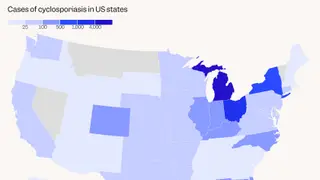
The CDC has confirmed more than 10,000 cases of cyclosporiasis, with total reported infections exceeding 17,000. The Midwest remains the most affected region. The outbreak is linked to contaminated salad products.
Federal health officials have now confirmed over 10,000 cases of cyclosporiasis, with the total number of reported infections climbing past 17,000 nationwide. The Midwest continues to carry the heaviest burden of the outbreak, according to the CDC's latest tracking data.
The illness has been traced to contaminated salad products distributed across multiple states. Cyclosporiasis, a gastrointestinal infection caused by a microscopic parasite, typically spreads through tainted fresh produce. The scale of this outbreak places significant strain on public health monitoring systems, as investigators work to identify the precise sources and distribution chains behind the contaminated greens.
This outbreak could affect a broad cross-section of the public, particularly consumers who regularly purchase pre-packaged salads and fresh greens. The scale of infections may strain local healthcare resources in the Midwest, where emergency visits and diagnostic testing could increase. Beyond immediate health impacts, consumer confidence in produce safety could waver, potentially influencing purchasing habits and placing economic pressure on growers and retailers. Public health agencies may face renewed scrutiny regarding food safety oversight and the speed of contamination tracing.