Key West Beach Holds Unmarked Graves of Rescued Africans
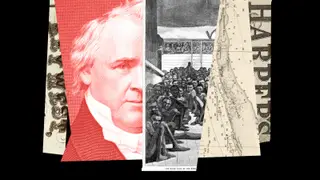
In 2002, archaeologists using ground-penetrating radar discovered 15 graves at Higgs Beach in Key West, matching 1860 records of 295 Africans who died after being rescued from slave ships. The find confirmed the location of a long-forgotten burial ground, prompting ongoing efforts to properly commemorate the victims. Historian Corey Malcom led the research, noting that many more graves remain unaccounted for.
The 1860 rescue operation involved three captured slave vessels—the Wildfire, William, and Bogota—carrying 1,432 Africans total. The Wildfire alone held 510 people, described by a Navy lieutenant as packed in extreme density. Key West's population at the time was only about 3,000, meaning the arrival of hundreds of sick captives strained the small community's resources considerably.
Malcom's initial radar survey confirmed only 15 graves, leaving roughly 280 individuals unaccounted for. The 1861 map that guided his search proved accurate for that specific zone, but the broader burial ground likely extends further. His ongoing research suggests the full scope of the tragedy remains partially hidden beneath the beach's surface.
This discovery may reshape how visitors and residents perceive a popular recreational space, transforming Higgs Beach from a purely leisure destination into a site of historical reckoning. Descendants of enslaved Africans and the broader Black community could find new avenues for connection to this past, while local tourism and heritage organizations may face pressure to integrate this narrative into their presentations. The incomplete excavation count suggests further findings could emerge, potentially deepening public engagement with slavery's maritime history.