Expert urges caution in interpreting high CTE rates among retired NFL players
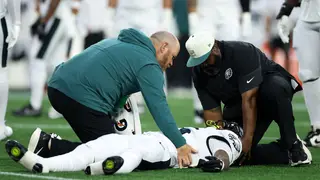
A recent study reported that at least one in four former NFL players who died in recent years had chronic traumatic encephalopathy (CTE). However, a concussion specialist argues that the findings should be viewed in context, emphasizing that modern football is likely safer than in the past. The expert suggests the sport has never been safer to play.
The study's finding that roughly 25 percent of deceased former NFL players showed signs of CTE has generated widespread alarm, yet the concussion specialist interviewed frames this statistic within a broader timeline of the sport's evolution. The expert points to rule changes, improved equipment, and heightened awareness of head injuries as factors that have made contemporary football fundamentally different from earlier eras.
The specialist's central argument is that historical data reflects a period before modern safety protocols were implemented. Players who competed decades ago faced different risks than today's athletes, who benefit from stricter concussion protocols and technique-focused coaching. The expert maintains that current safety measures represent a meaningful departure from past practices, suggesting the game's trajectory is toward reduced risk rather than increased danger.
This story could influence how parents, players, and policymakers weigh football participation against health risks. If the expert's perspective gains traction, it may reassure families considering youth football and support the NFL's ongoing safety messaging. However, families of affected players may view the framing as minimizing legitimate concerns. The debate could shape future concussion research priorities, equipment standards, and liability discussions, potentially affecting everything from youth sports participation rates to professional league policies.