Closing arguments begin in Tupac murder trial
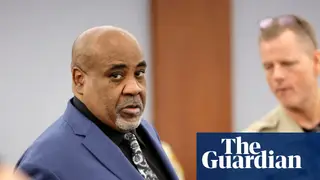
Closing arguments are being heard in the trial of Duane 'Keffe D' Davis, accused of ordering the 1996 murder of Tupac Shakur. Davis is accused of leading a group to kill Shakur in retaliation for an attack on his nephew. Prosecutors rely on Davis's own statements and his 2019 memoir.
The trial centers on events from September 1996, when Shakur was shot after a casino altercation involving Davis’s nephew. Prosecutors built their case largely on Davis’s own 2019 memoir and recorded interviews, where he described being in the vehicle from which gunfire erupted. Defense attorneys argue those accounts were embellished or ghost-written, and they have questioned police conduct during the original investigation. Witness testimony included reluctant individuals who required court orders to appear.
Davis, a former South Side Compton Crips leader, faces murder charges under Nevada law for allegedly orchestrating the attack, even though he did not fire the weapon. The prosecution presented eight hours of recordings across four separate sessions, aiming to show consistency in his admissions. The case has drawn intense public attention, reviving decades-old questions about one of hip-hop’s most infamous unsolved killings.
This trial could reshape public perception of accountability in cold cases, particularly those involving celebrity victims and gang-related violence. If convicted, it may signal that self-incriminating statements, even in memoirs or media, carry legal weight. Conversely, a weak prosecution case could reinforce skepticism about evidence gathered years after an event. The outcome may influence how law enforcement handles similar historical cases, and it could affect trust in the justice system among communities who have long followed Shakur’s legacy.